
Startups1 min read
Stash Energy and the Heat Pump That Utilities Actually Like


The UNB-born startup pairs cold-climate heat pumps with phase-change thermal storage, letting homes heat through peak hours without stressing the grid.
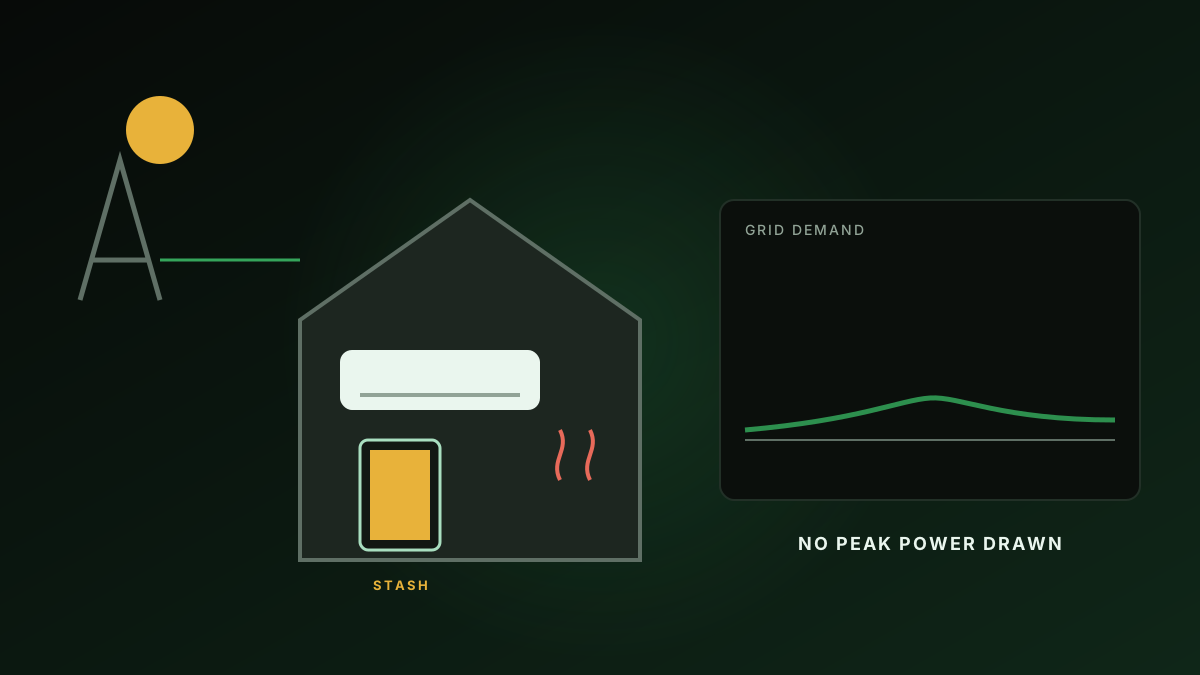
Heat pumps are winning Atlantic Canada's home-heating conversation, but they hand utilities a new problem: on the coldest mornings, everyone's compressor works hardest at exactly the same time. Stash Energy built its company in that peak.
The technology
Stash pairs a cold-climate ductless heat pump with a non-toxic phase-change material that stores thermal energy. The unit charges its "stash" during off-peak hours, then heats the home through peak periods without drawing peak power — shaving the demand spikes that force utilities to fire expensive, dirty peaker capacity or buy imported power at the worst prices of the day.
That design makes the customer and the utility allies: the homeowner gets lower bills, the grid operator gets a distributed, controllable thermal battery.
The UNB-to-utility pipeline
Founded in 2017 by Jordan Kennie, Daniel Larson, and Erik Hatfield — who met in UNB's Technology Management & Entrepreneurship program — Stash was part of Energia Ventures' very first cohort. The City of Summerside, P.E.I. became its first investor; NBIF and Island Capital Partners added a $400,000 round; and selection for the Wells Fargo Innovation Incubator brought US$250,000 more plus U.S. lab access.
Most telling are the pilots: Saint John Energy, NB Power, and Maritime Electric have all run Stash units in customer homes. Cleantech hardware startups live or die on utility relationships, and Stash has spent its whole life building them three blocks from its customers.
The Maritimes' electrification squeeze is only tightening. Companies positioned inside that squeeze — rather than selling around it — are the ones to watch.
Sources
- ICP, NBIF Invest $400K in Stash — Entrevestor on the NBIF / Island Capital round
- Stash Energy raises $400,000 to help people save money on utility bills — BetaKit coverage
- Wells Fargo Innovation Incubator Selects Five Early-Stage Companies — IN2 Cohort 8 announcement including Stash
Related coverage
Startups · August 3, 2026
SeaGreen Puts Seaweed Biochar in Ten Queen Street Flower Planters
News · July 26, 2026
Cookville’s 150 MW Solar Plan Still Needs a Buyer for the Electrons
Startups · October 12, 2026
Floresh Adds Event-Fee Tracking to Its K-12 School Platform